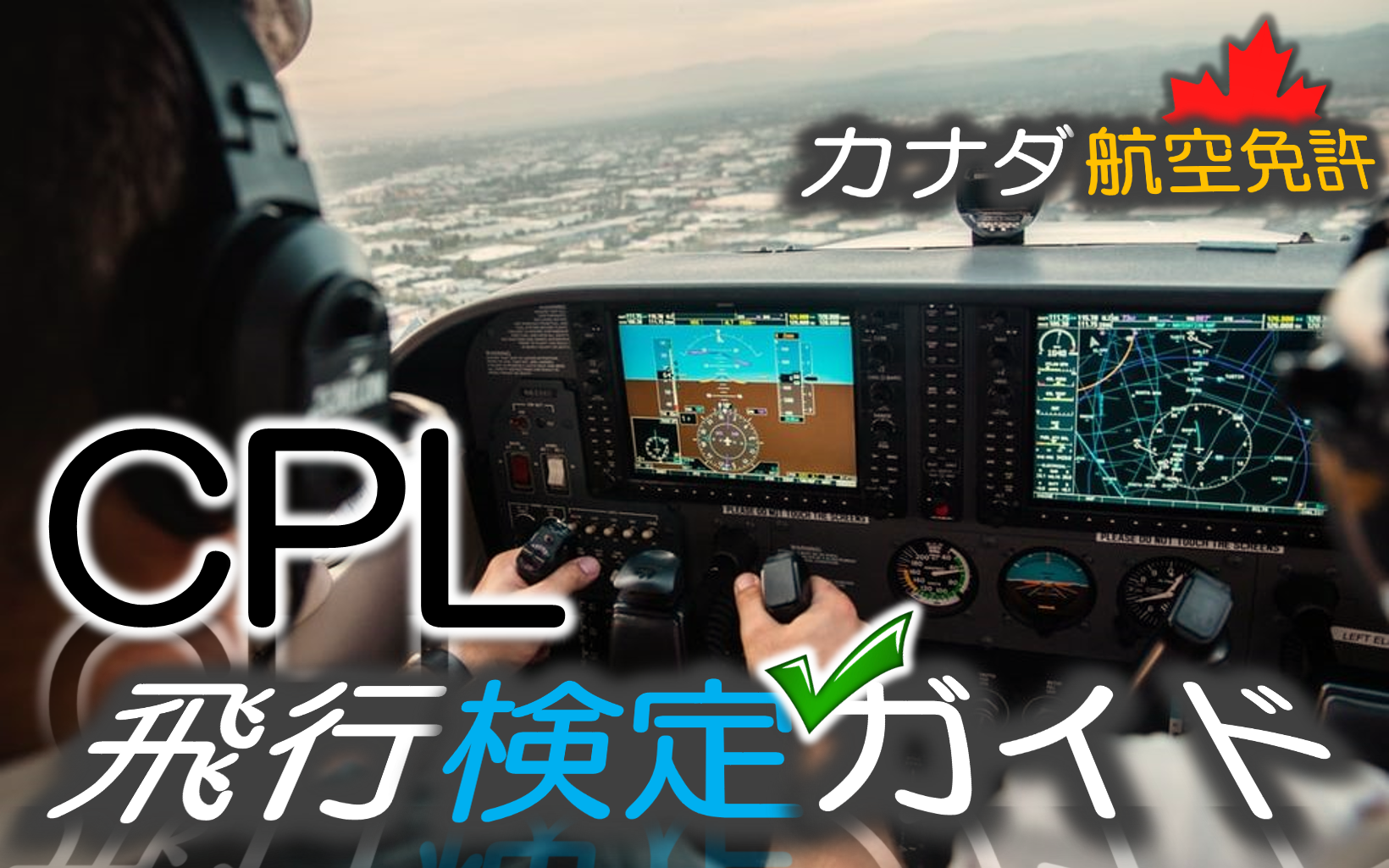
カナダ事業用操縦士免許「CPL」の飛行実技検定課目

FLIGHT

2021年1月更新の第6版の事業用操縦士免許CPL用「飛行実技検定ガイド」(飛行機)を参照して作成しています。

飛行検定に関する共通事項

自家用操縦士免許(PPL)、事業用操縦士免許(CPL)、多発機飛行資格(Multi)、計器飛行証明(Instrument)、飛行教育証明(Instructor)など、飛行実技検定が必要な免許や資格/証明がありますが、その中でも検定に関する一般事項として、申請要領、採点方法など共通の事項については、下の記事でまとめていますので、こちらをご覧ください。

飛行検定課目一覧

オレンジ色で示されている課目が採点対象であるが、18Bは18B-1または18B-2のいずれか、29は3つが選択されるので、合計33項目となる。
各項目「4点」(満点)~「1点」(不合格)の4段階で評価され、合計点数が70%以上の93点以上にて合格となる。

事業用操縦士免許 (CPL) の飛行検定の平均検定飛行時間は、1.8時間です。(TP 14277「飛行検定官マニュアル」より)


第6版での変更 (追加) 事項

第6版での変更 (追加) 事項

2019年9月25日発効のアドバイザリーサーキュラー第408-002号「飛行検定における2点の制限数について」に基づき、検定内で取得する「2点」の上限数が、4つまでと明記されました。つまり、検定の結果「1点」の項目がなければ、「2点」を4つまで取得しても合格であるということです。
この条項は、再検定や部分再検定場合にも、シミュレーターを使用した検定にも適用されるとされています。
再検定については、「2点」と「1点」の合計ポイントが「4」になるかどうかで完全再検定か部分再検定になるかが変わります。

✖【完全再検定になる例】
「2点」×4以上+「1点」×1で検定は終了、完全不合格
「2点」×5以上で検定は終了、完全不合格
△【部分再検定になる例】
「2点」×2+「1点」×2で「4」と計算、部分合格となり不合格課目×2を再検定
「2点」×3+「1点」×1で「4」と計算、部分合格となり不合格課目×1を再検定
○【合格になる例】
「2点」×4まで+「1点」なしなら合格

なお、各検定における「2点」の取得許容数は、以下のとおりです。

レク操縦士
RPP
自家用操縦士
PPL
事業用操縦士
CPL
多発資格
Multi Rating
計器飛行証明
Instrument Rating
65443

課目2:航空機の慣熟と飛行準備

2A 書類および耐空性(地上課目)

2A 書類および耐空性Documents and Airworthiness(地上課目Ground Item)
「書類および耐空性」の目的
  • 搭載が必要な関連書類documents required on boardの有効性validityについて正しく評価correctly assessできること。
  • こうした関連書類から、検定で実施する飛行proposed flight内容についての耐空性airworthyを有しているかを判断determineすること。
「書類および耐空性」の概要
  • 受検者は、航空機に搭載がon board必要requiredなすべてallの関連書類documentsの有効性validityを判断determine
  • 必要な整備基準required maintenance certificationsを満足completedしているかを判断determine
「書類および耐空性」の合格基準
  1. 飛行承認flight authorizationが得られているか、及び適用可能applicableな運用管理システムoperational control systemにしたがって、意図する飛行内容の要件requirements of the intended flightをカバーencompassesしていることを明確ensureにする。
  2. 搭載する関連書類documents required to be on boardが有効validなものであることを判断determineする。
  3. 航空機飛行日誌Aircraft Journey Logbookを含む航空機の関連文書aircraft documentsや整備関連情報maintenance releaseから航空機が使用可能serviceabilityであると判断determineすることと、飛行を予定する期間中due during the period of the intended flightに整備や点検の必要が生じないno service or inspection requirementsことを判断する。
  4. 次回の点検または整備作業the next service or maintenance taskまでの残飛行時間remaining number of flying hoursを決定determineする。
  5. 整備関連情報maintenance releaseに示されるいかなる状況や制限any conditions or limitationsにも適合し得るcan be complied withことを確認ensureする。
  6. 予定する航空機の運用operationsについて、先送りにされた欠陥の影響impact of deferred defectsを判断determineする。
  7. 飛行中に発見discovered during a flightされた機体の使用できない機器や機能aeroplane unserviceabilitiesについて、対応要領process for dealing withを説明explainする。

飛行訓練施設(FTU)における整備管制マニュアルMaintenance Control Manualや、使用する型式の航空機aircraft type usedの認定整備計画Approved Maintenance Scheduleに関する知識knowledgeを示す必要はないno requirement。

2B 航空機の性能(地上課目)

2B 航空機の性能Aeroplane Performance(地上課目Ground Item)
「航空機の性能」の目的

検定に使用する機体の推奨運用手順recommended operating procedures、各種性能performance capabilities、運用制限approved limitationsを理解understandすること。

「航空機の性能」の概要
  • 検定に使用する機体の推奨運用手順approved operating procedure、各種性能performance capabilities、運用制限limitationsについて説明explain
  • 各種の性能速度performance airspeedsを記憶だけで示しquote from memory、そうした速度の実運用上の知識practical operational knowledgeについて示すdemonstrate
  • 離陸時の出力(RPM)static take-off power RPMなどはその他の性能諸元performance dataについては、POH/AFMを用いて算出
「航空機の性能」の合格基準
  1. 次の速度の実用上の適用practical applicationについて記憶の知識だけで説明state from memoryする。
    1. 最大上昇角速度the best angle of climb speed
    2. 最大上昇率速度the best rate of climb speed
    3. 運動速度manoeuvring speed
  2. 飛行課目23Aのエンルート巡航計画planned enroute cruising portionについて、次を算出calculateする。
    1. 出力設定power setting proposed(%/マニフォールド圧力/RPM)と予想巡航速度expected cruise speed(KTAS)
    2. 搭載燃料量と設定出力fuel load and power settings proposedでの飛行可能時間available flight time
  3. 実際の検定飛行actual flight test flight時の実重量actual weightsを用いて次を算出calculateする。
    1. 50ftまたは実在の障害物existing obstacleをクリアclearするための所要離陸距離take-off distanceと着陸距離landing distances
    2. 最大離陸重量maximum take-off weightを超えない重量での性能表charts or tables、もしくはそれがない場合には下記の公式formulaを用いて予想着陸重量predicted landing weightで算出する最終進入速度final approach speed
最終進入速度算出公式

1.3VSOKCAS(最大総重量)×√(着陸重量/最大総重量)
=1.3VSOKCAS(予想着陸重量)

  • POH/AFMの速度換算表airspeed calibration chartを用いてKCASからKIASに変換
  • 上記の公式formula使用時は、KCASを使用apply
  • 6000lbs未満の航空機において、製造社manufacturersは進入着陸速度approach and landing speedや着陸性能データlanding performance dataを作成する義務はないnot mandate(航空法第523項)
    • 一方、滑走路末端runway thresholdを1.3VSOで通過する最適速度optimal airspeedをその時の着陸重量landing weightに応じて算出する能力は、特に、免許取得後にAFMに記載されたデータを活用して適切な速度に調整して飛行することが必要な6000lbs以上の航空機に移行することが多い事業用操縦士Commercial Pilotsにとって重要essential

2C 重量平衡と負荷(地上課目)

2C 重量平衡と負荷Weight and Balance, Loading(地上課目Ground Item)
「重量平衡と負荷」の目的

検定に使用する機体の2つtwoの重量平衡weight and balance計算calculationsを正確に実施correctly completeすること。
 (1) 飛行課目prepared in Ex 23A23Aの計画上plannedの想定simulatedVFRVFR場外飛行cross-country flight用
 (2) 実際の飛行用actual flight-test flight

「重量平衡と負荷」の概要
  • 想定のVFR場外飛行をする機体に対して、実際の機体重量actual aircraft weightsと承認された重量平衡データapproved weight and balance dataを用い、適用可能なほぼすべての搭乗者区画と荷物区画に指示された想定の搭載物を割り当てaddresses、離陸take-off重量weight、着陸landing重量weight、零zero燃料fuel重量weightとともに実際practicalの負荷loadについて精確に算出complete accurate computations
    • 航空機に対応した搭載負荷loadingに関するグラフgraphやコンピューターcomputerが使用可能であれば、活用utilized可
  • 重量平衡weight and balanceのグラフや包囲線図graphs and envelopesに関する知識と、重心位置の変動various centers of gravity locationsによる航空機の飛行特性flight characteristicsへの影響effectについて示す
  • 重心位置center of gravityが制限範囲外out of limitsにある場合や総重量gross weightが制限を超過exceededしている場合の状況改善方法how to correct a situationや、計算の修正法amend a calculationについて、実用的な知識Practical knowledgeを示すdemonstrated
「重量平衡と負荷」の合格基準
  1. 離陸take-off重量、着陸landing重量、零燃料重量zero-fuel weights、重心位置center of gravityが制限範囲内にあるwithin permissible limitsかどうかを判断determineする。
  2. 重心位置center of gravityが制限範囲外out of limitsであったり、総重量gross weightが制限を超過exceededしている場合の修正法how to correct a situationに関する実用上の知識practical knowledgeを示すdemonstrate。
  3. 重心位置の変動various center of gravity locationsが機体の飛行特性flight characteristicsに与える影響effectについて説明explainする。

2D 飛行前点検(飛行課目扱い)

2D 飛行前点検Pre-Flight Inspection(飛行課目Air Item扱い)
「飛行前点検」の目的

POH/AFMにしたがって機内と機外の点検internal and external checksを行いcomplete、予定する飛行において、機体が安全な状態in a safe conditionにあると判断determineするための実用的な知識practical knowledgeを示すdemonstrateこと。

「飛行前点検」の概要
  • 飛行前点検pre flight inspectionを行い、機体が耐空性airworthyを有しており、予定する飛行の準備readyが整っていることを判断determine
    • 機内外点検external and internal checksは、製造社manufacturerが示すすべての項目を網羅cover
    • 搭載する機器equipmentや書類documentsが搭載locatedされ、安全にsafely格納stowedされていることを確認
  • POH/AFMにしたがい、燃料量fuel quantityや規格grade of fuel、水分の含有の有無などの混濁度合いcontaminationや潤滑油の搭載量oil levelについて目視で確認Visual checks
    • 設計上、燃料量fuel levelsを目視で確認visual checkするようにしていない航空機の場合には、燃料の搭載票fuel chitsや搭載記録fuel logsやその他の信用に足る要領credible proceduresをもって実際の搭載量fuel actually on boardを確認confirm
    • 飛行可能時間available flight timeの算定を行う際は、実際の搭載燃料量actual fuel on boardに基づく予定巡航速度intended cruising speedを使用
  • 飛行前点検pre-flight inspection終了後、検定に使用する機体に関する口頭質問questionsを実施
    • 飛行前点検pre-flight inspectionにおける不具合事項unsatisfactory itemが検定官に確認detectedまたは指摘describedされた場合、どう対処すべきappropriate actionであったのか説明able to explain
    • 指摘がなundetectedくても、その次consequencesにどういったことが発生したかという知識knowledgeについては説明demonstrateできること
  • 搭乗者passengerに対する口頭oralの安全safetyブリーフィングbriefingを実施conduct
    • 省略omits時は、検定官examinerが実施するように促す
「飛行前点検」の合格基準
  1. 製造社manufacturerまたは所有者ownerが示す項目itemsについて少なくとも網羅includingした整然とした手順orderly procedureで点検inspectする。
  2. スイッチswitches、サーキットブレイカーcircuit breakers / fusesを識別identifyして確認verifyする。
  3. 予定する飛行intended flightに十分な量の燃料sufficient fuelと潤滑油oilがあることを確認confirmする。
  4. 予定する巡航の速度intended cruising speedと高度altitudeにおける、搭載する燃料量fuel quantity on boardでの飛行耐久性flight endurance(飛行可能時間)について説明stateする。
  5. 機体が安全に飛行safe flightできる状態conditionにあることを確認verifyする。
  6. 検定官examinerに確認detectedまたは指摘describedされた不具合事項unsatisfactory itemに対しとるべき対処appropriate actionについて説明describeする。
  7. 手荷物baggageや必要機器required equipmentを搭載する位置と安全性location and securityについて確認verifyする。
  8. 物件や機器material and equipmentをしっかりと整頓organizeし、いつでも使用できるreadily availableようにしておく。
  9. 次の内容を含む効果的effectiveな安全ブリーフィングpassenger safety briefingを搭乗者に対して行うperform。
乗客安全ブリーフィングに含めるべき内容
  1. シートベルトseat beltsとショルダーハーネスshoulder harnessesの使用法use
  2. 緊急脱出出口emergency exitsの場所locationと使用法use
  3. 緊急位置発信機emergency locator transmitter(ELT)と消火器fire extinguisher
  4. 航空機の脱出aeroplane evacuationに関する搭乗者の配慮passenger considerations
  5. 緊急着陸emergency landing時にとるべき行動action
  6. 喫煙smokingの制限limitations
  7. 使用するbeing used航空機の型式aeroplane typeにおける特有specificの事項items
  8. 緊急emergenc時に考えるconsiderべきその他の事項other items

2E エンジン始動/試運転/チェックリストの使用

2E エンジン始動Engine Starting/試運転Run-up/チェックリストの使用Use of Checklists
「エンジン始動/試運転/チェックリストの使用」の目的

機体が耐空性airworthyを有し、飛行可能ready for flightな状態にあることを判断determineするため、POH/AFMに示される項目itemsを少なくとも含んだ製造社manufacturer/所有者ownerによるチェックリストchecklistsやプラカードplacardsに基き、エンジン始動engine start、暖気warm-up、試運転run-up、操縦桿controlの動きmovementsの確認correctness、システム点検systems checksを実施completeすること。

「エンジン始動/試運転/チェックリストの使用」の概要
  • POH/AFMに示される項目itemsを少なくとも含みつつ、機体が耐空性airworthyを有し、飛行可能ready for flightな状態にあることを判断determineするために行う、製造社manufacturer/所有者ownerによ」るチェックリストchecklistsやプラカードplacardsに基くエンジン始動engine starting、暖気warm-up、試運転run-up、システムsystems/機器equipment点検の実施に関して、推奨される手順recommended proceduresを用いて良いエアマンシップairmanshipを発揮
  • 実際に発生encounteredもしくは検定官examinerにより想定simulatedされた不具合事項unsatisfactory conditionsに対する適切な対処法appropriate actionを実施
「エンジン始動/試運転/チェックリストの使用」の合格基準
  1. エンジン始動前または始動中before and during engine startに周囲の人や物other persons and propertyに対する注意awarenessを行うdemonstrate。
  2. 製造社manufacturer/所有者ownerが提供する適切なappropriateチェックリストchecklistを使用useする。
  3. 特定specificの指示instructionsやチェックリストchecklistがない事項に対しても、健全な判断sound judgementと対処法operating practicesを示すdemonstrate。
  4. エンジンengineと機体システムaeroplane systemの点検checksを正確accuratelyに行うcomplete。
  5. 操縦系統flight controlsが引っ掛かかりなくfreedom正常に作動correct movementすることを確認checkする。
  6. 検定に使用する無線航法機器radio navigation aidsが使用可能serviceableであることを確認determineする。
  7. 不具合事項unsatisfactoryに対し適切な対処appropriate actionを行う。

2F 航空機システムの運用

2F 航空機システムの運用Operation of Aircraft Systems
「航空機システムの運用」の目的

検定で使用する機体に搭載installedする各種システムsystemsについて、POH/AFMやそれらの各補足誌にしたがって操作operateすること。

「航空機システムの運用」の概要
  • 検定で使用する機体に搭載installedする各種システムsystemsの運用法operationに関する実用的な知識practical knowledgeを示すdemonstrate
  • これらのシステムsystems使用Useは、地上ground課目と飛行air課目の両方で評価evaluated
「航空機システムの運用」の合格基準

POH/AFMにしたがって機体の各種システムsystemsの運用法operateについて示し、検定官examinerが次の項目の中から3つ選択specifiedする項目の運用法について説明explainする。

各種システムの使用法の説明項目(3つ)
  1. 主要な操縦系統primary flight controlsとトリムtrim
  2. キャブレター・ヒートcarburetor heat
  3. ミクスチャーmixture
  4. プロペラpropeller
  5. 燃料fuel/潤滑油oil/作動油hydraulic系統systems
  6. 電気系統electrical systems
  7. 高揚力装置flaps(フラップ)
  8. 着陸装置landing gear(ギア)
  9. ブレーキbrakes
  10. 航法機器avionics
  11. ピトー静圧pitot-stati/吸気vacuum圧力系統pressure system/関連associated飛行計器flight instruments
  12. 暖房heaterと空調系統environmental
  13. 防除氷系統de-icing and anti-icing

課目4:地上滑走(タクシー)

4 地上滑走Taxiing(タクシー)
「地上滑走」の目的

他機other trafficに不必要unnecessaryに干渉interferenceせずに機体aeroplaneを安全safelyに動かすmanoeuvreこと。

「地上滑走」の概要
  • 特に指示されない限り、滑走路runwayと駐機場の間において航空機aeroplaneをタクシーtaxi
  • 他機trafficやその他の状況other conditionsが許す限り、誘導路の中心線taxiway centrelinesに沿ってタクシーtaxi
  • 風の状況wind conditionsに応じた適切なappropriately操縦系統flight controlsの操作
    • 風が弱い状況calm wind conditionsであれば、検定官examinerが風向風速wind speed and directionに関する想定を付与し、これに関する対応操作を確認
  • タクシー中While taxiingに飛行計器flight instrumentsが正常に作動correct functioningするかを確認confirm
    • 省略omitされた場合には、検定官examinerは離陸前prior to the takeoffに確認させる
「地上滑走」の合格基準
  1. ブレーキ作動点検brake checkを行うperform。
  2. タクシー中while taxiingにブレーキを引きずることなくnot dragging効果的に使用effective useする。
  3. 実際/想定actual or simulatedの風windに対して操縦系統flight controlsの操作を適切にappropriate行う。
  4. 地上にon the groundおいて、機体を正しく積極的にcorrect and positive aeroplane control操作できることを示すdemonstrate。
  5. 駐機場apronsや移動区間manoeuvring areasにおいて他機に配慮considering other trafficしつつ、安全に機体を扱うsafely manoeuvre the aeroplane。
  6. 適切なタクシー速度appropriate taxiing speedsを用いるuse。
  7. 他機other aeroplanes、障害物obstructionや人員personとの安全距離safe distanceを確保maintainする。
  8. 飛行場特有の規則local taxi rulesや要領procedures、ATCの許可clearancesや指示instructionsにしたがってタクシーする。
  9. 飛行計器flight instrumentsの正常な作動correct functioningを確認confirmする。
  10. 実施すべきチェックリストapplicable checklist itemsを完了accomplishし、推奨される手順recommended proceduresを行うperform。
  11. 飛行場airport、誘導路taxiway、滑走路runwayの標識signsやマーキングmarkings、灯火lightingについて識別identifyし、正しく読み取るcorrectly interpret。
  12. 着陸後は、滑走路runwayをクリアclearし、適切suitableな駐機場parkingや燃料搭載場refuelling areaへタクシーtaxiする。
  13. タクシー中during taxi operationは、常に警戒心constant vigilanceをもって機体を操作controlする。
  14. 実際existing/予想forecastの状況conditionsに応じて、駐機parkまたは機体の処理secureを適切にproperly行うこと。

課目9:急旋回(スティープターン)

9 急旋回Steep Turns(スティープターン)
「急旋回」の目的

水平levelで調和のとれたcoordinatedスティープターンsteep turnsを安全safelyに行うperformこと。

「急旋回」の概要
  • 検定官examinerは旋回開始前Prior to entering the turnに、検定で使用する速度airspeed、高度altitude、開始向首目標initial headingを示すspecify
  • バンク45°bank of 45ºで180°を中断なくwithout pauseスティープターンsteep turnした後に反転reverse the turnして逆を行いexecute、元の針路original entry headingに戻るroll out
「急旋回」の合格基準
  1. 旋回開始前及び旋回中before and during the turnには、効果的に見張りeffective lookoutを維持maintainする。
  2. ロールイン/アウトroll into and out of turnsは、3舵pitch, bank, yawと出力power controlを調和coordinatedさせ円滑smoothに行う。
  3. 高度altitude±100 ft、速度airspeed±10 ktの基準を維持maintainする。
  4. 旋回が安定stabilized portion of the turnしたときにバンク角45°bank angle of 45º(±5º)を維持maintainする。
  5. 旋回方向を逆にreverse the direction of turnし、再度repeat逆方向opposite directionで実施する。
  6. ロールアウト操作roll out of the turnは、ロールインとほぼ同じ旋回レートthe same rateで行い、開始針路entry headings(±10º)で終了する。
  7. 外の目標outside visual referencesと計器指示instrument indicationsを適切appropriatelyに注意分配divide attentionする。

課目11:低速飛行(スローフライト)

11 低速飛行Slow Flight(スローフライト)
「低速飛行」の目的

意図しない失速inadvertent stallが発生した場合に安全に回復recoveryできる、対地2,000ft以上above 2,000 feet AGLまたはマニュアル上の推奨最低高度minimum altitude recommended以上のいずれか高いwhichever is higher高度による安全高度operationally safe altitudeで、失速速度stall speedの5~10kt以内within 5 to 10 knotsでのスローフライトslow flightを行うこと。

「低速飛行」の概要
  • 意図しない失速inadvertent stallが発生した場合に安全に回復recoveryできる、対地2,000ft以上above 2,000 feet AGLまたはマニュアル上の推奨最低高度minimum altitude recommended以上のいずれか高いwhichever is higher高度による安全高度operationally safe altitudeで、失速速度stall speedの5~10kt以内within 5-10 knotsでのスローフライトslow flightを行う
  • 使用速度は、旋回時during a turnもしくは気流の状況turbulent conditionsでは失速速度stall speedが若干大きくなるincreased slightlyため、それに応じて若干増やす
「低速飛行」の合格基準
  1. スローフライト開始前に安全上の確認safety precautionsを適切に行うcomplete。
  2. 効果的に見張りeffective lookoutを継続maintainする。
  3. スローフライト確立中は、その速度範囲speed rangeとその時の形態configurationに応じた断続的intermittentな失速警報stall warningや空力バフェットaerodynamic buffetingを感知しながら実施する。
  4. 調和のとれたcoordinated水平直線飛行straight and level flightと、両方向both directionsへバンク角30°bank of 30 degreesで各90°以上at least 90 degreesの水平旋回level turns飛行をスローフライトslow flight状態で行うdemonstrate。
  5. 失速に入れないprevent a stall。
  6. 高度altitudes±100 ft、針路headings±10°、バンク角angles of bank±5°の基準を維持maintainする。
  7. 最適な針路headingsの±10°にてロールアウトroll outする。
  8. 検定官examinerの指示on commandにより、通常飛行normal flightに適切promptlyかつ円滑smoothlyに復帰recoverする。

課目12:失速(ストール)

12 失速Stall(ストール)
「失速」の目的
  • 失速に入るapproach to a stall兆候indicationを認識recognizeすること。
  • 意図的intentionallyに完全な失速full stallに入れること。
  • 通常飛行normal flightに安全safelyに回復recoveryできること。
「失速」の概要
  • 次のいずれか1つの失速を過度excessivelyな機首上げ姿勢high nose-up attitudesに入れることなく実施perform
    • エルロンとラダーの交差操作cross-controlledによる失速
    • 着陸復行overshootによる失速
    • 高出力時high-power settingの上昇旋回climbing-turnによる失速
  • 検定官examinerは、失速が発生するシナリオstall scenarioの航空機形態aeroplane configurationについて指示specify
  • 意図的な失速Intentional stallsは、対地2,000ft以上above 2,000 feet AGLまたはマニュアル上の推奨最低高度minimum height recommended以上のいずれか高いwhichever is higher高度で回復recoveryできる安全な高度operationally safe altitudeから開始
「失速」の合格基準
  1. 失速開始entering a stall前に安全上の確認safety precautionsを適切に行うcomplete。
  2. 検定官examinerが指示する形態configurationと出力power設定を確立establishする。
  3. 失速stallに近づくinduceように過度にならない機首姿勢pitch attitudeに円滑smoothlyに移行transitionする。
  4. 失速警報stall warningの聴知、空力バフェットfirst aerodynamic buffetingの体感、操縦効果control effectivenessの低減decayの体感を認識identifyingすることで失速stallに入ったonsetことを認識し、宣言recognize and announceする。
  5. 機体を失速stall the aeroplaneさせる。
  6. 方向管制を維持maintain directional controlする。
  7. 迎え角angle of attackの適切promptlyな減少reducing、翼の水平にeveling the wingsより正しいcorrect操作手順sequenceで円滑smoothlyに失速から回復recoverさせる。
  8. 二次失速secondary stallに入れないavoidように、適切に出力を使用add powerしつつ巡航姿勢cruise attitudeに復帰returnする。
  9. 必要に応じif applicable、正方向の上昇率positive rate of climbを確保establishedできたところでマニュアルで示された要領にてフラップflapsとギアlanding gearを格納retractする。
  10. 検定官examinerが指示する高度altitude、針路heading、速度airspeedに復帰returnするための姿勢attitudeを確立establishする。

課目13:旋転(スピン)

13 旋転Spinning(スピン)
「旋転」の目的

意図的なスピンintentional incipient spinを行いdemonstrate、検定官examinerの指示でupon commandPOHや補足版Supplementに示される推奨要領technique recommendedで効果的な回復effective recoveryを行うこと。

「旋転」の概要
  • 正しい方法correct entry techniqueで機体をスピンに入れ、回復の指示command to recoverがあるまで、完全fullな前方スピンpro-spinを維持
    • 少なくとも1/4回転one quarter (1/4) turn後に回復recoverが指示commandされる
  • 正しい手順correct entry techniqueでスピンに入れ、前方スピンfull pro-spinを維持maintainingしても、機体によってcertain aeroplane typesはスパイラルダイブspiral dive状態になる場合がある
    • この場合、受検者candidateは「スパイラルダイブ“Spiral Dive”」である旨を宣言announceし、この適切correctな回復要領recovery techniqueを実施
    • その後に運動manoeuvreを再度実施be repeatedする必要はない
  • 意図的なスピンIntentional spinsは、U類utility(多用途)またはA類aerobatic(曲技用)の耐空性要件requirementsにて認定certifiedされた機体のみで実施conducted
    • 対地2,000ft以上above 2,000 feet AGLまたはマニュアル上の推奨最低高度minimum height recommended以上のいずれか高いwhichever is higher高度で回復recoveryできる安全な高度operationally safe altitudeから開始
「旋転」の合格基準
  1. スピン開始前before entering the spinに、安全上の確認safety precautionsを適切appropriateに行うcomplete。
  2. 機体ごとaeroplane typeに推奨recommendedされる適切な操作effective control applicationと手順sequenceで機体をスピンに入れるenter the spin manoeuvre。
  3. 指示があるまでは完全な前方スピンfull pro-spin状態を維持holdし、適切な操作appropriate control applicationと手順sequenceにより回復recoveryする。
  4. 完全な前方スピンfull pro-spin状態を維持したにもかかわらず、スパイラルダイブspiral dive状態に陥ってdevelopsしまった場合には、受検者は「スパイラルダイブ“Spiral Dive”」に入った旨を宣言announceし、適切な操作effective control applicationと手順sequenceにより回復recoverする。
  5. 二次失速secondary stallに入れないavoid。
  6. 回復recovery時に速度airspeedを超過excessiveしないavoid。
  7. 過度excessiveの高度損失altitude lossをしないavoid。
  8. 機体aeroplaneのいかなる運用制限operating limitationも超過exceedingしないavoid。

課目15:すべり飛行(スリップ)

15 すべり飛行Slipping(スリップ)
「すべり飛行」の目的

降下率rate of descentを大きくincreaseしたい場合や横風crosswind着陸landing時に使用する安全safeで効果的effectiveなすべり飛行slipping manoeuvresを行うdemonstrateこと。

「すべり飛行」の概要
  • 降下率rate of descentを大きくincreaseするための前方すべり飛行forward slipやすべり旋回slipping turn、または着陸landing時に横風crosswindを修正correctするための横滑り飛行sideslipを行うdemonstrate
  • すべり飛行Slippingは、予防着陸precautionaryや不時着陸forced landingの課目時を含むいずれかの着陸進入any of the landing approaches中に行う
「すべり飛行」の合格基準
  1. 効果的effectiveなすべりslip飛行を円滑smoothlyに行うestablish。
  2. 飛行段階flight profileや横風の状況crosswind conditionsに応じた適切appropriateなすべりslip飛行を行うperform。
  3. 前方すべり飛行forward slipを行う場合は、意図する降下パスintended flight pathを維持maintainする。
  4. 調和のとれたcoordinated飛行flightに円滑smoothlyに復帰recoverする。
  • 大きなsignificant外すべり飛行skidding manoeuvre(スキッド)は許容されないunacceptable。

課目16:離陸

16 離陸Takeoff
CPLで行う離陸の種類
  1. 不整地離陸soft-field takeoff;
  2. 実際actualまたは想定simulatedの障害物obstacleを回避clearするための短距離離陸short-field takeoff
  • 可能な範囲で、短距離離陸short-field takeoffは事前previouslyに算出calculatedした諸元performanceを用いて実施
  • 風の状況wind conditionsが許せば、1回は横風crosswindでの離陸takeoffsを実施completed
  • ガストgustや横風crosswind状態といった条件での推奨速度recommended speedsの変更variationの必要性operational necessityについて説明explainできること
  • より良いbetter操縦士間のcockpit連携co-ordinationを実現するため、受検者は検定官examinerに対し離陸takeoff前に、意図する出発要領intended departure procedure、騒音低減noise abatementを考慮considerationsした離陸takeoff要領、最初の離陸上昇時takeoff and initial climbに実際actualにエンジン故障engine failureが発生した場合の対処手順に関するブリーフィングcrew briefingを行うcomplete

16A 不整地離陸

16A 不整地離陸Soft-Field Takeoff
「不整地離陸」の目的
  • 実際/想定actual or simulatedの風のwind状況conditions、滑走路runway表面surface、滑走路長lengthに対応する正しいcorrect手順procedureや手法techniqueを用い、実際/想定actual or simulatedの草地grass、砂礫地gravel、荒地rough surfaceから安全safelyに離陸take offすること。
  • ウィンドシアwind shearや機械的乱気流mechanical turbulenceの発生などの対応についても評価assessすること。
「不整地離陸」の概要
  • 検定官examinerは、滑走路表面surfaceの状態conditions、障害物obstacles、使用可能available滑走路長runway lengthに関する想定simulatedを付与specify
  • 飛行Flight訓練TrainingマニュアルManual(FTM)で記載されるもしくは検定に使用する機体aeroplane typeのPOH/AFMで推奨されrecommendedる不整地離陸soft-field take-off要領techniqueを使用
「不整地離陸」の合格基準
  1. シートベルトseat belt secureやドアロックdoor lockedなど搭乗者の安全passenger safetyを確認reviewする。
  2. 適切なappropriateチェックリストchecklistsを使用して行うcomplete。
  3. 管制許可ATC clearancesや管制指示instructionsに従うrespect。
  4. 実際/想定existing or simulatedの状況に応じて操縦を行いflight controls、形態configureを作る。
  5. 「GO」「NO GO」の判断点decision pointを検定官examinerに示すspecify。
  6. 他機を確認check for trafficしながら、前脚nose wheelを可能な限り軽くas light as possibleしつつ安全速度safe speedで離陸位置take-off surfaceまでタクシーtaxiし、管制指示ATC instructionsを得られれば停止することなくwithout stoppingスロットルthrottleを円滑smoothlyに離陸出力take-off powerまで設定する。
  7. 離陸出力take-off powerがしっかりと出てachievedいることを確認confirmする。
  8. 離陸滑走中take-off rollの方向管制directional controlを維持maintainする。
  9. 機首姿勢pitch attitudeを確立establishして維持maintainし、効果的effectivelyかつ効率的efficientlyに機体重量weight of the aeroplaneを車輪wheelsから翼wingsに移動transferさせる。
  10. 実際の状況existing conditionsに応じて安全safety上最適commensurateな最小速度slowest airspeedで浮揚lift offする。
  11. 地上効果ground effectが残るremainままVXまたはVY速度まで加速accelerateし、障害物obstaclesをクリアdictateする。
  12. 推奨上昇速度recommended climb speedに向けた機首姿勢pitch attitudeを確立establishし、+10kt~–5ktの速度を維持maintainする。
  13. 可能であればwhere applicableギアlanding gearを安全高度safe heightで格納retractする。
  14. 必要に応じwhere applicableて安全高度safe heightで推奨最小速度以上above the recommended minimum speedでフラップflapsを格納retractする。
  15. 安全高度safe heighに達するまでは離陸出力take-off powerを維持maintainし、必要に応じwhere applicable上昇出力set climb power(±0.5″ MP、±50 RPM)を設定する。
  16. 方向管制directional controlを維持maintainし、上昇climb時の偏流修正drift correctionを行うapply。
  17. 適切な点検appropriate checksを完了completeする。

16B 短距離離陸(最大性能)

16B 短距離離陸Short-Field Takeoff(最大性能Maximum Performance)
「短距離離陸」の目的
  • 実際actualの風の状況wind conditions、実際/想定simulated or actualの滑走路長runway lengthに対応する正しい手順correct procedureや手法techniqueを用いusing、短距離short fieldの滑走路から安全safelyに離陸take offし、障害物obstacleをクリアclearすること。
  • ウィンドシアwind shearや機械的乱気流mechanical turbulenceの発生などの対応についても評価assessすること。
「短距離離陸」の概要
  • 検定官examinerは、回避clearedすべき障害物obstacles、使用可能available滑走路長runway lengthに関する想定simulatedを明確にclearly付与specify
  • もしくは検定に使用する機体aeroplane type usedのPOH/AFMで推奨recommendedされる最大maximum離陸take-off出力性能performanceを使用use
「短距離離陸」の合格基準
  1. シートベルトseat belt secureやドアロックdoor lockedなど搭乗者の安全passenger safetyを確認reviewする。
  2. 適切なチェックリストappropriate checklistsを使用して行うcomplete。
  3. 管制許可ATC clearancesや管制指示instructionsに従うrespect。
  4. 実際/想定actual or simulatedの状況に応じて操縦を行いflight controls、形態configureを作る。
  5. 「GO」「NO GO」の判断点decision pointを検定官examinerに示すspecify。
  6. 他機を確認check for trafficしながら、離陸距離available take-off distanceを最大限活用maximum utilizationできる離陸位置into positionまでタクシーtaxiする。
  7. ブレーキを保持while holding brakesしながらスロットルthrottleを円滑smoothlyに離陸出力take-off powerまで進めるadvance。
  8. 停止static状態で離陸出力take-off powerがしっかりと出ているachievedことを確認confirmする。
  9. 離陸滑走中take-off rollの方向管制directional controlを維持maintainする。
  10. 推奨速度recommended airspeedで引き起こしrotateを行って浮揚lift offし、障害物obstacleを回避clearanceするためVXまで加速accelerateする。
  11. 推奨障害物回避速度recommended obstacle clearance airspeedに向けた機首姿勢pitch attitudeを確立establishし、実際/想定actual or simulatedの障害物obstacleを回避clearedまたは対地50ftに達するreaching 50 feet AGLまで+10kt~–5ktの速度を維持maintainする。
  12. 可能であればwhere applicable安全高度safe heightでギアlanding gearを格納retractする。
  13. 必要に応じwhere applicableて安全高度safe heightで最小フラップ格納速度minimum recommended flap retraction speed以上にてフラップflapsを格納retractする。
  14. 安全高度safe heightに達するまでは離陸出力take-off powerを維持maintainし、必要に応じwhere applicable上昇出力climb power(±0.5″ MP、±50 RPM)を設定setする。
  15. 方向管制directional controlを維持maintainし、上昇climb時の偏流修正drift correctionを行うapply。
  16. 適切な点検appropriate checksを完了completeする。
  • 離着陸中during takeoffs and landingsに使用する滑走路runwayの横方向の位置lateral positioning精度accuracyは、次の基準criteriaで評価assessed
離着陸中の滑走路内横方向精度

「4」機体胴体fuselageが中心線centerline上を維持remains over
「3」主翼wingの位置が中心線centerline上を維持remains over
「2」翼端wing tipが中心線centerlineを超えるほどに逸脱drifts
「1」機体の縦軸longitudinal axisが中心線centerlineから滑走路幅の半分以上more than halfwayを超えるほどに逸脱drifts


課目17:場周飛行(サーキット)

17 場周飛行Circuit(サーキット)
「場周飛行」の目的

管制controlled/非管制飛行場uncontrolled aerodromeの周辺vicinity空域において、安全safeに航空機を運航operateすること。

「場周飛行」の概要
  • 管制controlled飛行場と非管制飛行場uncontrolled aerodromesの両方における出発departure要領と進入要領joining procedures(合流要領)を含む正しいcorrect場周飛行要領circuit proceduresを示すdemonstrate
  • 検定予定空域で、管制飛行場controlled aerodromeと非管制飛行場uncontrolledの両方での場周飛行circuit proceduresが困難な場合には、実施demonstratedできない手順proceduresについては検定官examinerによる口頭質問questioningで確認
  • 他機other aircraftとの安全間隔separationを維持maintainingしながら行うMF/ATFでの通信要領proceduresや、管制許可ATC clearancesや管制指示instructionsにしたがった飛行について示すdemonstrated
「場周飛行」の合格基準
  1. 他機other aircraftとの安全間隔safe separationを維持maintainingしながら精確accurateな場周経路circuitを飛行demonstratedする。
  2. 実際/想定actual or simulatedの管制許可ATC clearancesや指示instructionsにしたがう。
  3. 場周経路circuitへの進入entry要領と出発要領departure proceduresにしたがう。
  4. 既定establishedの場周経路circuit patternsにしたがって飛行する。
  5. 必要requiredな無線通信radio callsを行うtransmit。
  6. 実航跡ground trackを適切に維持maintainするために偏流修正を行うcorrect for wind drift。
  7. 使用中の滑走路runwayに対して常に注意を向けるoriented。
  8. 場周飛行高度circuit altitude(±100 ft)と適切な速度appropriate airspeedを維持maintainする。
  9. 適切appropriateなチェックリストchecklistsを完了completeする。
  10. 後方乱気流wake turbulenceを避けavoid、必要applicableな騒音低減飛行要領noise abatement proceduresにしたがうfollow。
  11. その時に有効effectになる必要な手順proceduresにしたがう。

課目18:進入と着陸

18 進入と着陸Approach and Landing
CPLで行う進入/着陸の種類
  1. 場周高度circuit heightからの推力なしpower-offで180°転回する正確accuracyな進入着陸approach and landing
  2. 実際/想定actual or simulatedの障害物obstacleを越えるover短距離着陸short-field landingまたは不整地着陸soft- field landing
  3. 着陸復行overshoot
  • 進入と着陸approaches and landingsについては、実際/想定actual or simulatedの状況conditionsに応じた適切properな進入方法approach profileを選択selectする受検者の能力に基づいて審査Assessment
  • 強い横風strong crosswindsまたはガストgustsが報じpresentられていなければ、着陸はフラップfull flapを最大まで展開した形態で行うexecuted
  • 可能であればWhere practicable、1回の着陸landingsは事前previouslyに算出calculatedした諸元performanceを用いて実施
  • 風や他機trafficの交通の状況が許せば、1回は横風crosswindでの着陸landingsを実施completed
  • 連続離着陸“Touch and Go”(タッチ&ゴー)による着陸landingsや離陸takeoffsの評価evaluationは認められないnot permitted
  • 正しい手順correct procedureと実際の風actual wind conditions、着陸表面landing surfaceの状況や滑走路長length、または検定官examinerに指示specifiedされた状況に応じた技術techniqueを使用
  • ウィンドシアwind shearや機械的乱気流wake turbulenceの発生などの対応についても評価assess
  • 着陸復行overshootの要領proceduresについても示す
  • ガストgustyや横風crosswind状態における推奨速度recommended speedsの変化variationについても説明explainできるようにしておく
  • 各種着陸landingのための進入approachesに際し「VFR飛行における安定した飛行“Stabilized Approach – VFR”」で示される内容にしたがって実施

18A 180°転回無推力精密進入及び着陸

18A 180°転回無推力精密進入Power-off 180º Accuracy Approach及び着陸Landing
「180°転回無推力精密進入着陸」の目的

場周高度circuit heightから推力を使用せずwithout powerに滑空で進入gliding approachし、特定の接地点specified touchdown pointにある程度の精度degree of accuracyで安全safelyに着陸landすること。

「180°転回無推力精密進入着陸」の概要
  • パワーオフ180power-off 180ºは、通常normalまたは指示assignedされた場周高度circuit heightから開始initiatedし、接地touchdown点に向けて滑空で進入gliding approachし、着陸landing
  • スロットルthrottleをカットcloseする操作は受検者candidateが実施し、ダウンウィンドレグdownwind legの特定の接地点specified touchdown pointの真横abeam位置から滑空glideを開始initiate
  • 管制官の指示ATC instructionによりそれが実施できない場合には、場周高度circuit heightから滑空降下gliding descentを開始するタイミングは、この滑空降下gliding descentによって適切な接地点で着陸できるcompleted位置pointまで遅らせdelayedて実施
    • この場合は、開始まで場周高度を維持
  • この課目manoeuvreは、エンジンの模擬故障“simulated engine failure”とは無関係であり、飛行訓練マニュアルFlight Training Manualの18項Ex.18で示されるもの
「180°転回無推力精密進入着陸」の合格基準
  1. シートベルトseat belt secureやドアロックdoor lockedなど搭乗者の安全passenger safetyを確認reviewする。
  2. 風wind、着陸表面landing surface、障害物obstaclesの状況をよく考慮considerする。
  3. 安全な着陸safe landingができる特定の接地点touchdown pointを示すspecify。
  4. 適切なチェックリストappropriate checklistsを完了completeする。
  5. 通常normalの場周高度circuit heightでスロットルthrottleをカットcloseする。
  6. 滑空gliding状態による着陸進入approachを速度speed範囲+10kt~–5ktの中で維持establishする。
  7. 着陸前点検before-landing checksを完了completeする。
  8. 特定した接地点specified touchdown pointの+400ft~–50ftの範囲で、通常の着陸姿勢normal landing attitudeで接地touch downする。
  • 対地500ft500 feet AGLまで降下descendingする前でbeforeあれば、1回のエンジンengineクリアリングclearingのみ許可allowed
  • 寒冷状況下very cold conditionsでは、一定速度same airspeedと通常の滑空降下率normal gliding rate of descentを維持maintainingしている間の多少の出力some powerやフラップflapsの使用useは可能

18B 短距離/不整地着陸

18B 短距離Short-Field/不整地着陸Soft-Field Landings
「短距離/不整地着陸」の目的
  • POH/AFMで推奨されrecommendedる方法techniqueで実際/想定actual or simulatedの障害物obstacleを越えoverる短距離進入short-field approachを安全safelyに行いexecute、特定の接地点specified touchdown pointにある程度の精度a degree of accuracyで着陸landすること。
  • または、飛行訓練マニュアルFlight Training Manualに記載される技術techniquesを用いusingて障害物obstacleの有無を問わないwith or without不整地着陸soft-field landingを行うexecuteこと。
「短距離/不整地着陸」の概要
  • 短距離shortまたは不整地soft fieldでの進入approachと着陸landingにあたり、検定官examinerは滑走路表面の状況surface conditions、進入上on approachの障害物obstacles、滑走路landing末端threshold、使用可能available滑走路長length of surfaceに関する想定simulatedを明確clearlyに付与specify
  • 着陸時の引き起こしに先立ちprior to the landing flare、受検者が意図intendedした接地帯touchdown zoneにおける短距離着陸short-field landingの達成achievedが困難であると判断realizeした場合には、着陸復行overshootを行い2度目second attemptを行うことは可能acceptable
  • 飛行訓練マニュアルFlight Training Manual(FTM)に記載describedされる不整地着陸soft-field landingの技術technique、または検定に使用する機体aeroplane type usedのPOH/AFMに示される短距離最大性能maximum performance (short-field)の方法techniqueを使用

18B-1 障害物を越える短距離進入/着陸

18B-1 障害物を越える短距離進入/着陸Short Field Approach and Landing over an Obstacle
「障害物を越える短距離進入/着陸」の合格基準
  1. シートベルトseat belt secureやドアロックdoor lockedなど搭乗者の安全passenger safetyを確認reviewする。
  2. 風の状況wind conditionsと、実際/想定actual or simulatedの着陸表面landing surface、障害物obstaclesの状況をよく考慮considerする。
  3. 最適most suitableな接地帯touchdown zoneを選択selectし、障害物obstaclesを回避clearedできる特定の接地点touchdown pointを示すspecify。
  4. 推奨recommendedされる速度airspeedsと形態configurationsを用いusingて最初の進入initial approachを行うexecute。
  5. 実際/想定actual or simulatedの障害物obstacleを回避clearsできる安定stabilizedした最終降下段階final approach descent profileを飛行flyし、滑走路末端thresholdの対地50ft上空height of 50 feet aboveを次に示すいずれかの速度one of the following speedsで越える。
    1. その時の着陸重量actual landing weightで修正correctedされたPOHの性能表charts or tablesで示されrecommendedる推奨最終進入速度recommended final approach speed(+10kt~–5kt)またはそれがないabsence場合には次のいずれかの速度
    2. 課目2BEx.2Bで算出determinedした着陸重量landing weightで修正correctedされた1.3 VSO(+10kt~–5kt)
    3. ガストgustyや横風crosswindなどその時の状況existing conditionsに適した最小安全速度minimum safe speed
  6. 進入approachと着陸landingを通して、横風crosswindを修正correctionして方向管制directional controlを維持maintainする。
  7. 着陸時landingの引き起こしflareと接地touchdownにおいて、円滑smoothかつ適時timelyの正しいcorrect操作controlを行うmake。
  8. POH/AFMまたは機体aeroplane typeに最適な方法best accepted practiceにしたがって特定specifiedの接地点touchdown pointに+100ft~–50ftの範囲で接地touch downする。
  9. 横滑りdriftすることなく、機体の縦軸longitudinal axisが滑走路中心centre of the landing surfaceから10ft以内within 10 feetに留まりalignedながら接地touch downする。
  10. 過剰excessiveなロックlockupやスキッドskiddingを伴わないようにブレーキbrakesを適切に使用applyし、最短距離shortest distanceで安全safelyに停止stopする。
  11. 適切な各種点検appropriate checksを完了completeする。
  • 障害物obstacleクリアclearing後の急激Abruptな降下decentは「2点」以下“2” or lessの評価assessedとなる
    • 「チョップ&ドロップ“Chop and Drop”」は不安定not stable

18B-2 不整地進入/着陸

18B-2 不整地進入/着陸Soft-Field Approach and Landing
「不整地進入/着陸」の合格基準
  1. シートベルトseat belt secureやドアロックdoor lockedなど搭乗者の安全passenger safetyを確認reviewする。
  2. 風wind、着陸表面landing surface、障害物obstaclesの状況conditionsをよく考慮considerする。
  3. 滑走路runway/landing surfaceの端から1/3までfirst one third (1/3)の中で、最適most suitableな接地帯touchdown zoneを選択selectする。
  4. 推奨される速度recommended airspeedsと形態configurationsを用いusingて最初の進入initial approachを行うexecute。
  5. 実際/想定actual or simulatedの障害物obstacleを回避clearsする安定stabilizedした最終降下段階final approach profileを飛行flyし、末端thresholdの対地50ft上空50 feet aboveを次に示すいずれかの速度one of the following speeds (VREF)(VREF)で越える。
    1. 推奨最終進入速度recommended final approach speed
    2. 着陸重量landing weightにて修正correctedした1.3 VSO
    3. ガストgustyや横風crosswindなどその時の状況existing conditionsに適した最小安全速度minimum safe speed
  6. 進入approachと着陸landingを通して、横風crosswindを修正correctionして方向管制directional controlを維持maintainする。
  7. 滑走路runway/landing surfaceの端から1/3までfirst one third (1/3)の中で、接地touch downする。
  8. 着陸姿勢landing attitudeを維持maintainするのに必要なas necessary分の出力powerのみ使用usingして、できるだけpossible低速slowestで主脚main wheelsから接地touch downする。
  9. 滑走路残距離remaining length of available runwayに鑑みconsiderationて減速deceleratingを開始するまでのできるだけ長いas long as possible時間、エレベーターelevator controlと出力use of powerを適切appropriateにコントロールして前脚nose wheelを地面から離すoff the groundように維持keepする。
  10. 適切な各種点検appropriate checksを完了completeする。

18C 着陸復行(オーバーシュート)

18C 着陸復行Overshoot(オーバーシュート)
「着陸復行」の目的

POH/AFMの推奨recommendedや刊行物publishedに示された最適な要領best practicesで着陸復行overshoot(オーバーシュート)を安全safelyに行うexecuteこと。

「着陸復行」の概要
  • 検定官examinerの指示commandにより着陸復行overshootを行うcarried outか、必要な場合if necessaryに受検者candidateが判断して実施initiated
  • 通常の着陸進入any of the landing approaches、予防着陸precautionary landing、不時着陸forced landingの課目に引き続いて評価assessed
「着陸復行」の合格基準
  1. 指示commandによる復行overshootを行うか、進入approachの継続を断念decision to discontinueする最適なタイミングtimelyで行うmake。
  2. 適切promptlyかつ円滑smoothlyに必要な最大出力maximum allowable powerを出しapply、降下を止めるstop the descentような機首姿勢pitch attitudeを確立establishする。
  3. フラップflapsを段階的in stagesもしくは製造社manufacturerが定めるrecommendedとおりに格納retractする。
  4. 上昇率rate of climbが正方向positiveに転じた後に、装着していればwhere applicableギアlanding gearを格納retractする。
  5. 推奨上昇速度recommended climb speed+10kt~–5ktへ加速accelerateし、それを維持maintainする。
  6. 安全運動高度safe manoeuvring heightに上昇するための可能な限りの最大出力maximum allowable powerを維持maintainし、必要に応じwhere applicable、上昇出力climb powerを設定setする。(±0.5″ MP、±50 RPM)
  7. 適切な各種点検appropriate checksを完了completeする。

課目21:予防着陸

21 予防着陸Precautionary Landing
「予防着陸」の目的

不慣れunfamiliarな飛行場aerodromeや着陸できそうprospective place to landな陸地landing areaについて安全safelyに評価evaluateすること。

「予防着陸」の概要
  • 検定官examinerは、不慣れunfamiliarな飛行場aerodromeや地上landing surfaceに着陸landingが必要requiringになるようなシナリオscenarioの概要outlineを示す
  • 受検者candidateは最適な着陸地suitable landing areaを選定selectし、着陸の経路landing pathの決定determineや予防着陸手順pre-cautionary procedureを行い、正確accurateなアプローチapproach飛行flyができるよう計画された手順planned procedureを実施
  • 実際に着陸actual landingする必要はなくnot be required、事前に選定pre-selectedした接地帯touchdown zoneに着陸するがごとくアプローチfinal approach
「予防着陸」の合格基準
  1. 最適suitableな飛行場aerodrome、仮設滑走路airstrip、その他other安全な着陸safe landingに適した陸地suitable areaを選定selectする。
  2. 飛行場aerodromeでの場周飛行要領circuit proceduresにしたがうcomply with。
  3. 実際/想定simulated or actualいずれの場合も、適切appropriateな無線通信radio callsを実施する。
  4. 風の状況wind condition、着陸地の表面状況landing surface、障害物obstacleを評価evaluateする。
  5. 進入approachesと着陸landingを通して、横風crosswindを修正correctionして方向管制directional controlを維持maintainする。
  6. シートベルトseat belt secureやドアロックdoor lockedなど着陸にfor landing向けた搭乗者の安全passenger safetyを確認reviewする。
  7. 水平直線飛行straight and level flightをしている間に、実際の状況existing conditionsに応じたPOH/AFMで推奨recommendedされるように調整adjustedした速度airspeedで、低高度確認飛行low-level inspectionのための形態configureを作り、機体をトリムtrimする。
  8. 低高度確認飛行low-level inspectionのための安定stabilizedしたアプローチapproachを+10kt~–5ktの間の推奨recommended速度airspeed範囲で実施executeする。
  9. 着陸予定地landing area上空を障害物obstaclesを避けられる安全高度safe heightで、安定stabilizedした直線飛行level flightかつ地表面の状況surface conditionsについて効果的effectiveな評価assessmentを十分に行える速度airspeedにて飛行通過overflyする。
  10. 着陸予定地intended landing surfaceが予防着陸に適しているかsuitabilityを判断determineする。
  11. 最も適したmost suitable接地帯touchdown zoneを選択selectする。
  12. 使用usedする着陸の種類type of landingを示すindicate。
  13. 適切な各種点検appropriate checksを完了completeする。
  14. 選択selectedした接地帯touchdown zoneの中に接地touching downできるように安定stabilizedした最終アプローチfinal approachを行うperform。
  • 低高度確認low-level inspectionをするために意図intendedする高度heightを示し、ガストgustyや横風crosswindなどで推奨速度recommended speedsを変えvariationて運用operationalしなくてはnecessityならない場合にはその旨を説明explainしておく

課目22:不時着陸

22 不時着陸Forced Landing
「不時着陸」の目的

エンジン故障engine failureの場合の、着陸に適しsuitableた地表landing areaの端から1/3以内first 1/3に選択selectedする接地帯touchdown zoneへのアプローチapproachを計画planし、管理manageし、安全safelyに行うcarry outこと。

「不時着陸」の概要
  • エンジン故障Engine failureの想定simulatedは、検定官examinerが予告なくwithout advance warningスロットルthrottleをアイドルto idleにするclosing、もしくはパワーレバーpower leverをアイドルflight idleに持ってbringingいき「想定エンジン故障“Simulated Engine Failure”」を宣言declaringすることにより開始
  • 必要requiredな緊急手順emergency proceduresを実施accomplishingしながら、アプローチを地表面to the groundまで継続しcontinuedて行えば安全に着陸safe landingできるということを示すindicatingため、意思決定good decision-makingと最適suitableな着陸地点landing areaに向けた安全な滑空進入safe gliding approachを行うdemonstrate
  • 適した地表面suitable surfaceへの実際に着陸actual landingを行うexecute訳ではない限り、運用上operationallyの安全高度safe altitudeで検定官examinerに指示requestedされたタイミングで着陸復行overshootを行うcarried out

22A 制御/進入

22A 制御/進入Control/Approach
「制御/進入」の合格基準
  1. 機体aeroplaneをコントロールcontrolし、まずinitially推奨最良滑空速度recommended best glide speedを+10kt~-5ktの範囲で設定establishする。
  2. 風の状況wind conditions、地形terrain、障害物obstaclesやその他の要素other factorsを考慮consideringしつつ、適しsuitableた着陸地landing areaとその末端から1/3以内first 1/3の接地帯touchdown zoneを示すspecify。
  3. 所望desiredする高度heightと位置positionで「基準点key points」に到達arriveするための飛行諸元flight profileを調整adjustingしつつ管理されたorganizedアプローチapproachを行う。
  4. 選定selectedした接地帯touchdown zoneから1000ft以上more than 1,000 feet離れて接地touching downしないavoidように精確性level of precisionをもって管理されたorganizedアプローチapproachを行う。
  • 滑走路の末端から1/3までfirst 1/3のところに選定selectedした接地帯touchdown zoneの終端endを1,000ft以上more than 1,000 feet超えてbeyond接地touching downした場合、「重大なエラーmajor error」として「2点」以下mark of “2” or less.で評価considered
  • 最初initiallyに推奨滑空速度recommended glide speedに設定establishingした後は、確実successfulかつ安全safeにアプローチapproachできるachieveように適宜速度airspeedと飛行段階flight profileを変更varyして飛行
  • 当初予定originally chosenした着陸エリアlanding siteへの着陸landingがまだ可能な地点pointや高度altitudeからであれば、着陸地field点を変更changeすることは可能acceptable

22B コックピットマネジメント

22B コックピットマネジメントCockpit Management
「コックピットマネジメント」の合格基準
  1. 基本重要事項basic vital actionsはメモリーmemoryで完了completeする。
  2. 時間が許せばif time permits、プラカードplacardまたはチェックリストchecklistを用いて「上空でのIn-FlightエンジンEngine故障Failure」緊急emergency手順proceduresを実施して補うfollow-up。
  3. 時間が許せばif time permits、適切appropriateな無線通信radio callを想定simulate上で完了する。
  4. 効果的effectiveな搭乗者passengerに対する緊急時emergencyの安全確認safety reviewを行うperform。
  • 降下中during the descentに適宜appropriateの間隔intervalsでエンジンengineクリアリングclearを実施
  • 極めて寒冷な状況very cold conditions下では、通常normalのパワーオフpower-off降下角gliding descent angleと速度airspeedとするためにフラップsome flapの使用loweringと出力の若干some powerの使用usingが可能acceptable

課目23:パイロット航法

  • 課目23A~23Dのパイロット航法Pilot Navigationは、統合課程integrated courseでの受検の場合には除外

23A 飛行前計画要領(地上課目)

23A 飛行前計画要領Pre-Flight Planning Procedures(地上課目Ground Item)
「飛行前計画要領」の目的
  • VFRでの場外飛行VFR cross-country flightを効果的efficientlyに計画planし、場外飛行計画cross-country flight planningに関する実用的な知識practical knowledgeを示すことdemonstrate。
  • ソフトsoftwareを使用usedして飛行計画flight-planningを実施した場合には、大きなsignificant上層風upper windの変化や高度変化altitude changeによる計画変更scenarioについて、1レグone leg分を手動再計算manually recalculateにより修正できることを示すdemonstrateこと。
「飛行前計画要領」の概要
  • 1回の給油のためrefuelling stopの中間intermediate着陸を含む、指定目的地assigned destinationまでの2.5時間以上at least 2.5 hoursの想定simulatedVFR場外飛行VFR cross-country flightの計画planを実施
    • NOTAMにより指定目的地assigned destinationでは給油fuelができないnot availableものとする
    • 検定testの前日までprior to the dayに、事前計画Preliminary planningと紙の航空図paper chartの準備preparationは実施しておく
  • 最終的Finalな飛行計画flight planningは、実際real timeの天候weatherに則して行い、検定官examinerの指示specifiedにしたがい、搭乗者は全席数all passenger seats分で、手荷物baggageも大きなsignificantものを搭載load
  • 計画やフライトログnavigation logの作成generationにあたっては、ソフトウェアSoftwareやオンラインonlineの飛行計画flight planningツールを使用used可
「飛行前計画要領」の合格基準
  1. 適切appropriateで最新currentの紙の航空図aeronautical paper chartsを使用useし、適切pertinentな情報informationを引用extract又は記録recordするためにPOH/AFMなどの飛行に関する正式な最新currentの刊行物flight publicationsを活用する。
  2. 安全safeかつ効率的efficientな経路routeを選定selectする。
  3. 空域airspace、障害物obstructions、地形特色terrain featuresや地図上の記号map symbolsを正確correctlyに識別identifyする。
  4. エンルートenrouteや目的飛行場destination airportsに関して適切pertinentな情報informationを取得obtainする。
  5. 予定する飛行intended flightに関連する気象情報weather information、NOTAM、PIREP、SIGMETを取得retrieveし読み取るinterpret。
  6. 実際existingまたは予報forecastの天候に鑑みて、出発departure時及び到着destination時での滑走路runwaysの使用可能性acceptabilityについて判断determineする。
  7. 中間intermediate飛行場や代替飛行場alternate destinationsにおける緊急contingency時の計画plansを準備prepareする。
  8. 天候weather、地形terrainや搭載機器equipmentの能力capabilitiesを考慮consideringして最適most favourableな巡航高度cruising altitudesを選定selectする。
  9. 航空図chartと航法navigationalログlogを準備prepareし、手動manuallyまたは飛行計画flight-planningソフトsoftwareの使用を問わずいずれかの手段で予想estimated針路headingsと適切appropriateな出力power設定settings、所要requirements燃料fuel、飛行enroute時間timeを示す。
  10. 給油refuellingのために着陸stopする中間intermediate飛行場における所要搭載燃料量amount of fuelをℓ(リッターlitres)で見積もりestimateを示すprovide。
  11. 場外飛行計画planned cross-country flightに関して入手できるavailable情報informationを利用して、「GO」「NO GO」の判断decisionを行う。
  12. ICAO方式のVFRフライトプランflight planを作成completeし、検定官examinerの点検reviewを受ける。
  13. VFRフライトプランflight planの提出のしかたhow to fileに関する知識knowledgeを示すdemonstrate。
  14. 実際の飛行actual flightで使用する重量平衡計算weight and balance computationsを除いたexcluding計画planning、準備preparations、計算calculationsについて45分以内within 45 minutesで完了completeする。
  15. ログ作成flight-planningにソフトsoftwareを使用usedする場合は、1レグone leg分の飛行計画flight planをE6Bなどを活用し、検定官examinerの指示specifiedにしたがい手動で再計算recalculateすること。地上検定項目ground portionとして評価evaluationされる。

23B 出発要領

23B 出発要領Departure Procedure
「出発要領」の目的

検定課目23AEx.23Aにおける想定simulatedの場外飛行計画cross-country flight plannedにおける効果的efficientな出発departure要領を、よく整理organizedして安全safelyに行うexecuteこと。

「出発要領」の概要

検定官examinerから指示requestedがあった場合には、計画どおりas plannedの場外飛行cross country flightへの出発depart要領を安全safelyに実施

「出発要領」の合格基準
  1. 針路指示マーカーheading indicatorをマグコンパスmagnetic compassやその他のother適切な機器acceptable meansに合わせて設定setする。
  2. 離陸時刻take-off timeを記録noteする。
  3. 事前計画pre-plannedした航跡trackに会合interceptさせるためのよく整理organizedされた効果的efficientな出発要領procedureを行うuse。
  4. 出発departureに関するすべての管制許可clearancesや指示instructionsにしたがうcomply with。
  5. 航空交通業務上で取り扱われる飛行計画flight planを使用できるactivateようにするか、もしくは検定官examinerの想定simulateにしたがう。
  6. 向首時刻heading timeを記録noteする。
  7. 最初の変針点first turning pointまたは目的地destinationの予定到着時刻estimated time of arrival(ETA)を示すprovide。
  8. 必要に応じas required、針路指示マーカーheading indicatorをリセットresetし適切な各種点検appropriate checksを完了completeする。

23C エンルート飛行要領

23C エンルート飛行要領En Route Procedure
「エンルート飛行要領」の目的

目的地destinationへ確実に到達arrivalできるpredictableようにするためのよく整理systematicされた航法navigationに関する技術techniquesを効果的effectivelyに示すapplyこと。

「エンルート飛行要領」の概要

針路を設定後After setting headingは、よく整理systematicされた航法navigation技術techniquesを駆使しつつ、最初の変針点first turning point、またはVFR場外飛行VFR cross-country flight用の想定simulated目的地destinationまでの飛行flyにおいて必要requiredとなる針路headingや時間timingを、必要に応じて設定establishes、確認confirms、再設定revises

  • 無線航法施設Radio navigation aidsやGPSはここでは使用しないnot to be used
「エンルート飛行要領」の合格基準
  1. POH/AFMで推奨recommendedされる出力設定set power、燃料濃度lean mixture設定、燃料管制manage fuel、エンジン冷却engine coolingを行い、所望desiredの性能performanceを引き出す。
  2. 出力powerやKTASなどの巡航に必要な計画出力設定planned cruise performanceを確認verifyする。
  3. 巡航高度cruising altitude±100 ft、針路heading±10°を維持maintainする。
  4. 飛行flightの経過progressを精確accuratelyに反映reflectsする航法用フライトログnavigation flight logを更新maintainする。
  5. 対地ground速度speeds、到着予定時刻(ETA)、新new針路headings、チェックポイントcheckpoints通過over時刻timesをそれぞれ修正revisedしてフライトログに記録recordする。
  6. 単にsimply航跡trackを辿るcrawlingだけではなく、よく整理systematicされた航法技術navigation techniquesを駆使applyingして航法navigateを実施する。
  7. 針路heading設定setting後15分以内within 15 minutesに、次の手順をよく整理organizedされた要領で示すdemonstrate。
    1. 航空機aeroplaneの位置positionを確認verifyする。
    2. 航空機の位置aeroplane positionを計画コースplanned routeから1NM以内within 1 nautical mileに維持maintainするため、航跡のズレexisting track errorを認識してそれを元に針路headingsを修正reviseする。
    3. 最初の変針点first turning pointまたは想定上の目的地destinationまでのETAを予想時刻の5分以内within 5 minutesで到着arrivaできる精度範囲a degree of accuracyとなるように、確認confirmまたは修正reviseする。
    4. 目的地destinationまたは最初の給油first refuelling stopのための飛行場までの飛行に必要requirementとなる燃料量を確認confirmする。

23D 代替飛行場へのダイバート

23D 代替飛行場へのダイバートDiversion to an Alternate
「代替飛行場へのダイバート」の目的

頭mentalで飛行計画in-flight planning、推測航法dead reckoning、地図読解map readingを行い、適したsuitable代替目的地alternate destinationへのダイバートdiversionを安全safelyに行うcarry outこと。

「代替飛行場へのダイバート」の概要
  • 検定官examinerにより示されpresentedる想定scenarioにしたがって、航空機aeroplaneの実際/想定actual or a simulatedの燃料範囲fuel rangeにある最適suitableな代替飛行場alternate destinationを選定selectする技術を示すdemonstrate
    • 選定selectedされた代替飛行場destinationに向かう目的地変更diversionを行うcarry out
    • CPL受検者CPL candidateは、荒地の上over barren terrainを飛行しているものとして推測航法dead reckoningを実施
    • 河川riversや道路roadsなどの地形上の特徴geographical featuresを追ってfollowing飛行することは検定flight testでは不可
    • 定規Rulersや目盛り付きnotched鉛筆pencils、分度器protractors、ForeFlightやコンピューターcomputersの使用はこの手順procedureにおいては不可
  • 待機パターンholding patternに入って何度も周回loiterしなくてもいいように、たどるfollowべき実航跡track(コース)、おおよそapproximateの針路heading、所要飛行時間time enrouteを速やかquicklyに決定determiningし、不当に遅れundue delayることなく目的地変更diversionを開始initiate
  • 対地500ft以上no less than 500 feet AGLまたは最低安全高度minimum safe altitude以上のいずれか高いwhichever is higher方の高度を使用して、可能な限りWhen practicable低高度low altitudesでこの目的地変更diversionを実施conducted
  • 飛行する地形topographyに合わせて適宜飛行高度altitudes変更changeは可能だが、検定官examinerに対してその変更changeの意図intentionalを示すcommunicate
  • 予想Estimatedのエンルートenroute時間及び到着arrival時刻timesはおおよそapproximateの算出でよいが、既定の範囲reasonable degree内に収まる精度accuracyであること
  • 目的地destinationに到着arrivalできるpredictableことを示すdemonstratingため、少なくとも航空機が代替目的地alternateに向かう予定航跡proposed trackに乗るestablished段階stageまでは継続continued
  • 無線航法施設Radio navigation aidsやGPSはここでは使用usedせず、紙の航空図paper chartを使用used
「代替飛行場へのダイバート」の合格基準
  1. 不当undueに遅れdelayることなく、次の作業following tasksを実施performする。
    1. 現在の位置present positionを把握identifyし、記録recordする。
    2. 適切appropriateな代替飛行場alternate destinationを選定selectし、変針点heading pointと経路routeを設定setする。
    3. 鉛筆penciledで書いた航跡の線track lineにしたがって最初の針路initial heading to flyを決めるestimate。
    4. 代替目的地alternate destinationまでの予想エンルート時間approximate time enrouteを概算estimateする。
    5. 代替飛行場alternate destinationの到着arrivalまでで残るremain搭載燃料fuel on boardによる予想飛行可能時間approximate available flight timeを「2時間+15分2 hours+15 minutes」のように概算estimateする。
  2. 代替飛行場alternate destinationへのダイバートdivertのための予定航跡proposed trackに会合interceptさせる。
  3. 選定selectedした経路route上の最大標高(MEF)Maximum Elevation Figureを確認identifyし、最低安全高度minimum safe altitudeを決定determineする。
  4. 低視程poor visibility時には目視回避“see and avoid”が必要となるように、実際/想定actual or simulatedの状況conditionsに応じた適切appropriateな航空機aeroplaneの形態configurationと速度airspeedを選定selectする。
  5. 針路設定setting heading時にETAを算出provideし、エンルートen route飛行中にその確認confirmまたは修正reviseを行う。
  6. 選択selectedした速度airspeed±10 ktを維持maintainする。
  7. 選択selectedした針路headings±10°を維持maintainする。
  8. 宣言declaredした高度altitudes±100 ftを維持maintainする。
  9. 管制官ATSとの無線交話communicationとして、ダイバートintention to divertする旨を想定simulateで伝える。

課目24:計器飛行と無線航法機器の使用

課目24A~23Dでは、適切suitableな視界遮断装置view-limiting deviceの着用wearが必要require

24A 全計器使用

24A 全計器使用Full Panel
「全計器使用」の目的

全飛行計器パネルfull panel of flight instrumentsや主要飛行情報表示器primary flight displaysを参照して航空機aeroplaneの制御controlと運動manoeuvreを安全safelyに行うこと。

「全計器使用」の概要

飛行計器flight instrumentsのみを参照solely by referenceして次の飛行を実施

  1. 調和のとれたco-ordinated水平直線飛行straight and level flightを維持maintain
  2. 水平直線飛行straight and level flightと水平旋回level turns時の速度変換change airspeed
  3. 一定速度constant airspeedでの上昇climb
  4. 一定速度での降下descend
  5. 一定降下率constant rateでの降下
  6. 指定針路assigned headingsと高度altitudesにおける上昇climbing、降下descending、各種バンク角でvarious assigned angles of bankの水平旋回level turnsを実施perform
「全計器使用」の合格基準

正しいcorrect計器の使用や読み取りscanning and interpretationにより、次の精度の範囲内で航空機aeroplaneを制御controlし運動manoeuvreできることを示す。

全計器使用による計器飛行と精度範囲
  1. 指定針路assigned headings±10º以内
  2. 指定高度assigned altitudes±100 ft以内
  3. 指定速度assigned airspeeds±10 kt以内
  4. 確立established後、指定降下率assigned rates of descent±100 ft/m以内
  5. 指定バンク角assigned angles of bank±10º以内

24B 限定計器使用

24B 限定計器使用Limited Panel
「限定計器使用」の目的
  • 既存のtraditional計器タイプinstrument panelの機体の場合は、姿勢計attitude indicatorと方位計heading indicator以外withoutの飛行計器flight instrumentsを参照referenceして、統合型計器technically-advancedタイプの機体の場合は、主要飛行情報表示器primary flight displayと多用途表示器multi-function display(スタンバイ計器standby instrumentsとマグコンパスのみmagnetic compass only)を使用せずwithoutに水平直線飛行level flightまたは旋回turningを実施して航空機aeroplaneを安全safelyに制御controlすること。
  • 旋回turnは90°から180°の範囲less than 90º or more than 180ºで実施すること。
「限定計器使用」の概要

制限limitedされた計器panel表示でUsing、次の事項を実施

  1. 水平直線飛行straight and level flightを維持maintain
  2. 検定官examinerに指示requestedされた場合には、指示specifiedされた針路headingまでのもっとも近い方向shortest directionへの継続continuousした調和のとれたcoordinated旋回turnを実施execute
  • 特定の針路specified headingにより精確に到達more precisely achieveするために、1回までの針路修正heading correctionは可能acceptable
「限定計器使用」の合格基準

正しいcorrect計器instrumentの使用や読み取りscanning and interpretationにより、次の精度の範囲内で航空機aeroplaneを制御controlし運動manoeuvreできることを示す。

限定計器使用による計器飛行と精度範囲
  1. 指定針路specified heading±15º以内
  2. 指定高度assigned altitude±100 ft以内
  3. 指定速度assigned airspeed±10 kt以内

24C 異常姿勢からの回復

24C 異常姿勢からの回復Recovery from Unusual Attitude
「異常姿勢からの回復」の目的

既存のtraditional計器instrumentタイプpanelの機体の場合は、姿勢計attitude indicatorと方位計heading indicator以外withoutの飛行計器flight instrumentsを参照referenceして、統合型計器technically-advancedタイプの機体の場合は、主要primary飛行flight情報表示display器と多用途multi-function表示display器(スタンバイ計器のみstandby instruments only)を使用せずwithoutに、異常な姿勢unusual attitudeから安全safelyかつ迅速promptlyに回復recoverすること。

「異常姿勢からの回復」の概要
  • 検定官examinerは操縦controlを受け取りtake、機首上げnose-up姿勢もしくは機首下げnose-down姿勢のいずれかの異常姿勢unusual attitudeを作為flyした後に受検者に操縦controlを渡しtransfer、その状態からの回復recoveryを実施call
  • 限定計器limited panelもしくはスタンバイ計器のみstandby instruments onlyを使用して、最小の高度損失minimum loss of altitudeで異常姿勢unusual attitudeから迅速promptlyに回復recover
「異常姿勢からの回復」の合格基準
  1. 指示によりon command、使用可能な計器available flight instrumentsを参照referenceして異常姿勢unusual flight attitudeを認識recognizeする。
  2. 正しい要領correct sequenceで円滑smoothかつ調和のとれたcoordinated制御controlを実施applyする。
  3. 正しいcorrect計器instrumentのクロスチェックcross-checkと読み取りinterpretationにより安定stabilizedした直線飛行level flightに迅速promptlyに復帰recoverする。

24D 無線航法

24D 無線航法Radio Navigation
  • 視界を遮断view-limitingする装置deviceをこの課目test itemでは着用be worn
「無線航法」の目的

周波数tuneの設定、選択selectedした無線航法施設radio facilityやウェイポイントwaypointの確認confirm、無線航法機器radio navigation aidsの活用usingによる効果的effectivelyに航法navigateを行い、飛行計器 flight instrumentsのみを参照sole referenceして飛行すること。

「無線航法」の概要
  • この課目itemの実施にあたって検定官examinerが、どの無線航法機器radio aidを使用するかを指示specify
    • 機体に認定certifiedされたGNSS受信機receiverを搭載equippedしていれば、それを使用used
    • GNSS受信機receiverを使用中は、1NMの感度sensitivityとなる「ターミナルモード“Terminal Mode”」を選択select
  • 検定官examinerの指示specifiedによりVOR、NDB、GPSウェイポイントwaypointから航空機aeroplaneの位置positionを特定determineし、そこから検定官examinerが指示specifiedする無線航法施設またはウェイポイントまでの航跡OBS trackまたは方位bearingに機体を誘導establishする手順procedureを実施
  • トラッキングrequired trackは、無線局stationやウェイポイントwaypointの通過passage、またはしっかりとした航跡trackを飛行できるまで維持maintained
  • 飛行計器flight instrumentsの参照のみsole referenceによって実施Demonstratingするこの課目itemの目的は、市街地から遠く離れaway from built-up areasた夜間dark nightでも機体aeroplaneを制御controlして効果的effectivelyに航法navigateを実施できることを確認confirmするため
「無線航法」の合格基準
  1. VORやNDBの場合は、周波数を設定tuneして無線局stationを識別identifyする。
  2. 無線航法機器radio navigation aidsを活用してよく整理systematicされた手法methodで、GNSSウェイポイントwaypoint、VOR、NDBにより機体の位置aeroplane’s positionを特定determineする。
  3. 検定官examinerが指示specifiedする航跡required trackに誘導establishするための会合手順interception procedureを実施applyする。
  4. 指定航跡specified trackの±10º以内、GNSSでは1NM以内の精度を維持maintainする。
  5. 無線局stationやウェイポイントwaypointの通過passageを識別identifyして示すdescribe。
  6. 次の精度following level of accuracyの飛行flightを維持maintainする。
    1. 選択した針路selected headingの±15º以内
    2. 指定高度assigned altitudeの±200 ft以内

課目29:緊急手順/不具合対処

29 緊急手順/不具合対処Emergency Procedures/Malfunctions
「緊急手順/不具合対処」の目的
  • 実際/想定actual or simulatedの緊急事態emergenciesやシステムsystem/機器equipmentの不具合malfunctionsに対し、メモリーmemoryで重要な点検vital action checksを行って迅速かつ適切に対処し、その後following upに適切appropriateな各種のチェックリストchecklistを実施すること。
  • 点検checksは適切appropriateなチェックリストchecklistを参照referenceして実施actionedすること。
「緊急手順/不具合対処」の概要
  • 緊急事態emergencyや搭載installedするシステムsystems、機器devicesなどの不具合malfunctionが発生した場合に使用usedする手順proceduresに関する適切adequateな知識knowledgeを示すdemonstrate
  • 重要な対処vital actionsはメモリーmemoryで実施completeし、後にfollow up緊急時emergency用のチェックリストchecklistを使用して確認consulting
  • この緊急対処の項目は、飛行検定flight testにおけるどの時間any portionで実施carried outしてもよい
  • 次に示す少なくとも1つ以上At least oneの緊急事態emergenciesまたは不具合malfunctionsについては、上空in flightで想定simulatedが付与
「緊急手順/不具合対処」の合格基準

状況分析analyze a situationと緊急手順emergency procedureの重要な項目vital actionをメモリーmemoryで実施することで適切appropriateな対処actionを行い、後にfollowing up適切なappropriate緊急時emergency用のチェックリストchecklistを使用することについて評価Assessmentが実施される。次のうち3つの想定simulated不具合malfunctionsが検定官examinerにより状況specified付与される。

緊急手順項目(3つ)
  1. 部分的なパワーロスpartial power loss
  2. エンジンの不安定rough engine operationもしくはオーバーヒートoverheat
  3. 油圧損失loss of oil pressure
  4. 燃料欠乏fuel starvation
  5. 電気火災electrical fire
  6. 吸気系統故障vacuum system failure
  7. ピトーpitotまたは静圧系統閉塞static blockage
  8. 機内火災cabin fire
  9. 機体への着氷airframe icing
  10. 電気的不具合electrical malfunction
  11. 航法機器の故障avionics failures
    1. 姿勢/針路参照システムattitude/heading reference system(AHRS)故障failure
    2. 表示器故障display failure
    3. 航法無線機器故障navigational aid failure
    4. 警告と注意warnings and cautions
  12. 降着装置の不具合landing gear malfunction
  13. ブレーキ故障またはロックbrake failure or seizure
  14. フラップ故障flap failure
  15. 飛行中のドア開放door opening in flight
  16. 緊急降下emergency descent
  17. その他any otherの緊急事態emergencyまたは機体固有unique to the aeroplane flownの不具合malfunction
  • 緊急手順emergency procedureの実施をあらゆる状況要素から上空in flightで実施可能か、地上on the groundで実施すべきかを判断determineするのは検定官examinerの責任responsibility
  • 地上でon the groundエンジン停止engine shut downをする際にいくつかの項目Some of the itemsが検定tested可能

課目30:無線通信

30 無線通信Radio Communication
「無線通信」の目的

明瞭clearかつ理解できunderstandableる英語Englishやフランス語Frenchを用いて適切appropriateな航空交通管制Air Traffic Control(ATC)施設facilitiesと通信communicateし、空域airspace内の適切appropriateな周波数frequencyの「耳の見張り“listening watch”」を維持maintainし、こうした施設facilitiesを通じて安全safeで効果的efficientな飛行flightを実現conductするためにどのような援助assistanceを得るobtainことができるかを示すdemonstrateこと。

「無線通信」の概要
  • 航空機aeroplaneに搭載on boardする利用可能availablな無線通信機器radio communication equipmentの正しいcorrect使用法useについて示すdemonstrateとともに説明explain
  • 飛行に関して必要な情報informationを入手obtainし、管制許可ATC clearancesや指示instructionsに対して応答respondまたは対応する操作actを実施demonstrate
  • 適したsuitable航空交通業務air traffic servicesが受けられないnot available空域においては、検定官examinerが想定で管制官となり実施play the role
「無線通信」の合格基準
  1. 使用usedする施設facilitiesの周波数frequenciesを選択selectする。
  2. 機体に搭載する通信機器や航法機器に関する実用的な知識practical knowledgeを示すdemonstrate。
  3. 効率的efficientで理解できるunderstandable英語またはフランス語を適切appropriateに用いつつ、推奨recommendedされる交話法phraseologyを用いて通信transmitする。
  4. 無線通信radio communicationsや管制指示ATC instructionsに了解acknowledgeし、したがうcomply with。
  5. 「耳の見張り“listening watch”」を維持maintainし、飛行空域airspaceや訓練エリアtraining areaにおいて適切appropriateな周波数frequencyで適切appropriateな無線交話radio callsを実施する。
  6. 他機other trafficの存在を認識awarenessしていることを示すdemonstrate。
  7. 無線機器故障radio communications failure時における正しいcorrect対処要領procedureを示すexplain。
  8. ATCの灯火信号ATC light signalsに関する実用的な知識knowledgeを示すdemonstrate。
  9. 緊急時のレーダー支援emergency radar assistanceの受領obtainingや特別有視界飛行方式Special VFR(S-VFR)管制許可clearanceの取得の正しいcorrect要領procedureについて示すdemonstrateまたは説明explainする。
  10. 無線施設radio facilityからの天候に関する情報weather informationの取得obtain法について説明explainする。
  11. 明瞭clearで精確accurateなVFR位置通報VFR position reportのしかたについて説明explainする。
  12. 無線機の故障radio communications failure時における、正しいcorrect緊急通信要領emergency communication procedures、トランスポンダーtransponderコードcodesの使用use法、携帯電話cellphoneの予備backup使用useについて説明explainする。

タイトルとURLをコピーしました